
Let’s be honest — most of us don’t think about our stone surfaces until something goes wrong. You notice a dull patch on your kitchen marble. A crack creeps across your travertine floor. Or worse, you spill red wine on your limestone benchtop and realise that sealant you promised yourself you’d reapply six months ago? Yeah, still hasn’t happened.
Sound familiar? You’re not alone.
Melbourne homeowners and business owners are increasingly turning to professional stone restoration services — and not just for cosmetic reasons. The truth is, stone is one of the most beautiful, long-lasting materials you can have in a home or commercial space. But it’s also surprisingly high-maintenance if you want it to stay that way.
So what does professional stone restoration in Melbourne actually involve? And why do so many people end up needing it? Let’s break it all down — no jargon, just the honest truth.
What Is Professional Stone Restoration, Anyway?
Before we get into the ‘what’s included’ part, let’s quickly clarify what stone restoration actually is — because it’s often confused with basic cleaning.
Stone cleaning = removing surface dirt and stains. Stone restoration = bringing the stone back to its original (or near-original) condition — addressing damage, wear, and structural issues from the inside out.
Professional stone restoration is a multi-step process carried out by specialists with industrial-grade equipment. It’s not something your average mop-and-bucket job can replicate. We’re talking about grinding, honing, polishing, sealing, and repairing — depending on what your stone needs.
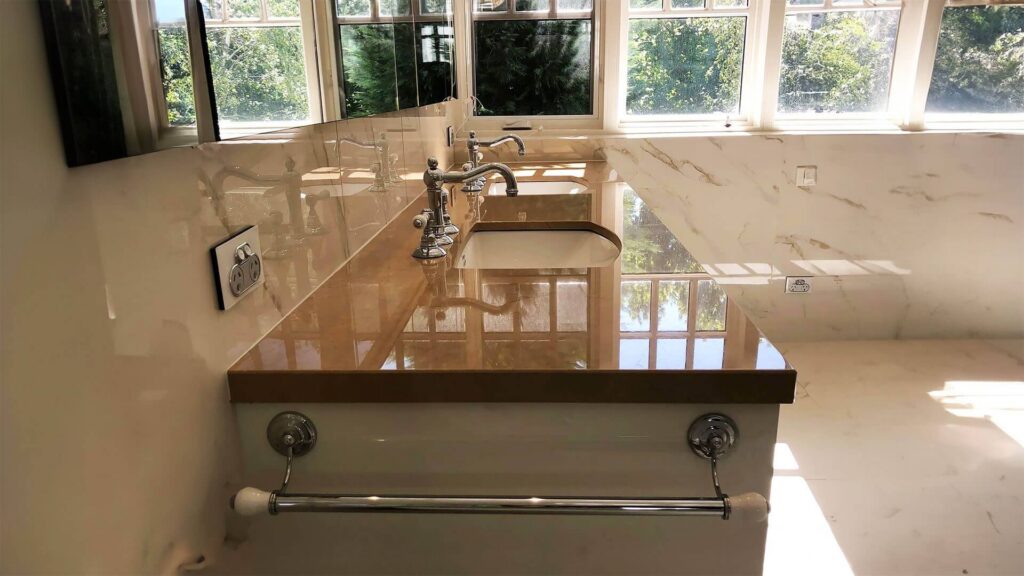
What’s Typically Included in Professional Stone Restoration Services in Melbourne?
Every job is different — your travertine pool surround has different needs than your Carrara marble kitchen island. That said, here’s a solid overview of what most professional stone restoration services cover:
1. Initial Assessment and Consultation
Any reputable stone restoration company will start with a thorough assessment. This involves:
- Identifying the type of stone (marble, granite, travertine, limestone, slate, etc.)
- Examining the extent of damage, wear, and staining
- Testing the stone’s current finish and porosity
- Recommending the appropriate treatment plan
Think of it like a doctor’s consultation before surgery — you wouldn’t want someone just winging it on your $10,000 marble benchtop, would you?
2. Stone Grinding and Levelling
If your stone tiles are uneven, lippage (where one tile edge sits higher than the next) can be a serious trip hazard — and it’s also an eyesore. Grinding levels out the surface using diamond abrasives, preparing it for the next stages.
This step is especially common in older Melbourne homes where floor settling has caused stone tiles to shift over time.
3. Honing
Honing is essentially the refinishing stage. Using progressively finer abrasives, technicians work out:
- Deep scratches and surface etching
- Dull patches from chemical damage or wear
- Staining that’s penetrated the surface
The result is a smooth, even surface — either left as a matte/satin finish or prepared for polishing.
4. Polishing
Here’s where the magic happens. Polishing brings out the reflective, glossy finish most people associate with premium stone. It’s done using fine polishing compounds and buffing machines, gradually building shine and depth.
Not all stone gets polished — some looks better with a honed or brushed finish. A good technician will discuss what suits your stone and your space.
5. Crack and Chip Repair
Chips and cracks aren’t just ugly — they’re points of vulnerability. Left untreated, they grow. Professional restorers use colour-matched epoxies and fillers to repair damage, making it virtually invisible.
6. Grout Restoration and Replacement
Grout is often the weak link in any stone installation. Over time it discolours, cracks, and even harbours mould. Restoration services typically include:
- Deep cleaning and colour-sealing existing grout
- Removing and replacing damaged or crumbling grout
- Re-grouting with colour-matched materials
7. Sealing
This is the step most DIYers try to skip — and it’s arguably the most important. Professional sealing:
- Protects against stain penetration
- Reduces moisture absorption (critical in Melbourne’s variable climate)
- Makes ongoing maintenance dramatically easier
The type of sealer — penetrating, topical, or enhancing — depends on your stone and its location. A bathroom floor needs different protection than an outdoor entertaining area.
8. Ongoing Maintenance Plans
Many professional stone restoration services in Melbourne, including King Stone Australia, also offer maintenance programs. These scheduled visits keep your stone in top condition between full restorations, extending the life of your investment significantly.
Quick Comparison: DIY Stone Care vs. Professional Stone Restoration
| Factor | DIY Stone Care | Professional Restoration |
| Equipment | Household mops, basic cleaners | Industrial grinders, polishers, diamond abrasives |
| Results | Surface clean only | Deep restoration, structural repair |
| Damage repair | Limited (surface stains) | Chips, cracks, etching, lippage |
| Sealing quality | Consumer-grade products | Commercial-grade, long-lasting sealers |
| Cost (upfront) | Low | Moderate to high |
| Long-term value | Stone degrades faster | Extends stone life significantly |
| Safety | Risk of damage with wrong products | Expert assessment minimises risk |
4 Common Reasons Melbourne Stone Surfaces Need Professional Restoration
Now — why do people actually call in the professionals? Here are the four scenarios I see time and time again:
Reason 1: Etching From Acidic Substances
This is probably the most common reason Melbourne homeowners are Googling “stone restoration Melbourne” at 11pm.
Marble and limestone are calcium-based stones, which means they react chemically with acids. And acids are everywhere — lemon juice, vinegar, wine, coffee, even some cleaning products. The result? Dull, cloudy patches (called etches) that regular cleaning simply cannot fix.
I’ve spoken to homeowners who’ve accidentally used a “stone-safe” spray that turned out to be acidic. One wrong product and years of shine can be gone in minutes. Only honing and repolishing by a professional can restore it.
Reason 2: Scratching and Surface Wear
Stone floors in high-traffic areas — hallways, kitchens, commercial lobbies — take a serious beating. Over time, foot traffic, dragged furniture, and grit tracked in from outside cause micro-scratches that accumulate into visible dullness and wear patterns.
Melbourne’s commercial spaces, in particular, often need restoration more frequently than residential properties due to the sheer volume of foot traffic. A honing and repolishing treatment can make a lobby floor look brand new — without replacing the stone.
Reason 3: Staining That’s Gone Too Deep
There’s a difference between a surface stain (which cleaning can address) and a stain that’s penetrated into the pores of the stone. Unsealed or poorly sealed stone is incredibly vulnerable.
Common culprits in Melbourne homes include:
- Cooking oils on kitchen benchtops
- Rust from metal furniture on outdoor stone
- Tannin stains from wine and coffee
- Mould and mildew in bathrooms and wet areas
Deep stains often require poulticing (a drawing-out process using absorbent materials) combined with honing to fully remove. It’s fiddly, time-consuming work — exactly the kind of thing professionals at King Stone Australia have down to a science.
Reason 4: Ageing and General Deterioration
Sometimes there’s no dramatic incident — the stone has just aged. Grout darkens. The surface loses its lustre. Tiles crack slightly from natural movement in the building structure. Sealant wears away. This kind of gradual decline is natural, but it doesn’t have to be permanent.
Many Melbourne properties — particularly heritage homes and older apartment buildings — have stunning original stone features that have simply never been properly cared for. A professional restoration by a team like King Stone Australia can be genuinely transformative, revealing beauty that’s been hidden under decades of neglect.
Frequently Asked Questions About Stone Restoration in Melbourne
How long does professional stone restoration take?
It really depends on the size of the area, the type of stone, and the extent of the damage. A small bathroom floor might take half a day. A large commercial marble lobby could take several days. Your restoration specialist will give you a timeline during the initial assessment.
How often should stone surfaces be professionally restored?
Most stone surfaces benefit from professional attention every 3–5 years for residential properties, and annually or biannually for high-traffic commercial spaces. That said, regular maintenance — correct cleaning products, periodic resealing — can significantly extend the time between full restorations.
Can all types of stone be restored?
Most natural stone can be restored — marble, granite, travertine, limestone, slate, sandstone, bluestone, and more. Engineered stone is a different matter; it behaves differently and may have different restoration requirements. Always confirm with your specialist what’s possible for your specific stone.
Is professional stone restoration expensive?
It’s an investment, yes — but compare it to the cost of replacing stone entirely. A full replacement of marble flooring, for example, can run into tens of thousands of dollars. Professional restoration is almost always the more cost-effective option, especially when done before damage becomes severe.
What should I look for in a stone restoration company in Melbourne?
Great question. Look for:
- Experience with your specific type of stone
- A clear assessment and written quote process
- Evidence of past work (before/after photos, reviews)
- Proper insurance and professional-grade equipment
- Transparent communication about what is and isn’t possible
King Stone Australia ticks every one of those boxes — bringing specialist expertise and honest, tailored advice to every stone restoration job across Melbourne.
Final Thoughts: Your Stone Deserves Better
Stone is not a low-maintenance material — but it is a remarkably rewarding one when properly cared for. Whether you’re dealing with etching on your marble benchtop, a dull travertine floor, or grout that’s seen better days, professional stone restoration in Melbourne can genuinely transform your space.
The key is catching issues early and working with specialists who understand the nuances of different stone types. Because when you know what’s included in a professional service — and why you need it — the decision becomes a whole lot easier.
Don’t wait for the damage to get worse. Get in touch with the team at King Stone Australia and find out what’s possible for your surfaces. You might be surprised at just how good “old” stone can look.
👉 Ready to restore your stone? Contact King Stone Australia today and give your surfaces the professional care they deserve.